




How to Prevent Corrosion on Hydraulic Fittings
Hydraulic fittings are essential for keeping industrial machinery, construction equipment, and hydraulic systems operating safely and efficiently. In San Jose, CA, exposure to moisture, temperature changes, industrial contaminants, and outdoor conditions can gradually cause corrosion that weakens these connections. For businesses that depend on reliable hydraulic equipment, preventing corrosion helps reduce leaks, unexpected repairs, and costly downtime.
Quick Answer: To prevent corrosion on hydraulic fittings, choose materials suited to the operating environment, keep connections clean and dry, use compatible protective coatings, and inspect fittings regularly for rust, discoloration, or leaks. Proper installation, material compatibility, and moisture control are equally important. For hydraulic systems operating in San Jose, additional attention should be given to outdoor exposure, seasonal rain, industrial washdowns, and temperature fluctuations.
What San Jose Equipment Owners Should Know
-
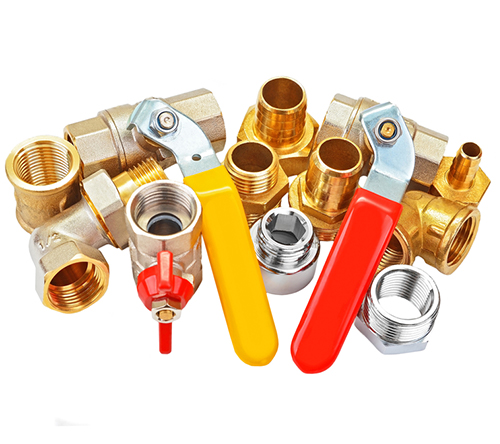
Material selection matters. Stainless steel, brass, and appropriately plated steel fittings offer different levels of corrosion resistance depending on the hydraulic application.
-
Seasonal moisture creates risks. Winter rainfall and overnight condensation in Santa Clara County can expose unprotected metal fittings to moisture.
-
Outdoor equipment needs closer attention. Construction and landscaping machinery operating around North San Jose and nearby industrial areas may encounter dirt, moisture, and abrasive debris.
-
Routine inspections prevent larger problems. Identifying surface corrosion early can help prevent fitting deterioration and unexpected hydraulic leaks.
-
Compatibility is essential. Hydraulic fittings must meet system pressure, temperature, fluid, and connection requirements, not just corrosion-resistance needs.
Royal Brass Inc understands the importance of selecting appropriate hydraulic components for equipment operating throughout the San Jose area. We recognize that corrosion prevention begins with choosing compatible materials and maintaining hydraulic connections before damage affects system performance.
Local Data or Field Observations: Corrosion Risks in San Jose
Corrosion risks in San Jose are influenced by seasonal moisture, equipment exposure, and the operating conditions of local industrial and commercial facilities. Although the South Bay generally experiences dry summers, winter rainfall, morning condensation, and industrial cleaning processes can introduce moisture around hydraulic connections.
For equipment operating near North San Jose’s industrial corridors, corrosion exposure can vary significantly between indoor manufacturing facilities and outdoor equipment yards.
The following are practical maintenance observations rather than findings from a specific local corrosion study:
-
Outdoor hydraulic connections may remain wet after rainfall or equipment washing.
-
Dust and debris can trap moisture against fitting surfaces.
-
Damaged protective plating may expose underlying steel to oxidation.
-
Connections exposed to incompatible chemicals or cleaning agents may deteriorate more quickly.
Understanding these conditions helps local equipment operators establish appropriate inspection and maintenance schedules.
Local Impact: Why Hydraulic Fitting Corrosion Matters
Hydraulic fitting corrosion can increase maintenance expenses, reduce equipment reliability, and contribute to unexpected operational interruptions. For San Jose manufacturers, contractors, and equipment operators, even a small fitting problem can affect an entire hydraulic system.
Corrosion may damage sealing surfaces, weaken threaded connections, or make fittings difficult to remove during maintenance. In severe cases, deterioration can contribute to pressurized hydraulic fluid leaks.
Businesses operating in manufacturing facilities near Berryessa, construction sites around Evergreen, or equipment yards throughout Silicon Valley benefit from identifying these issues before they interrupt operations.
Corrosion prevention also supports workplace safety. High-pressure hydraulic leaks can cause serious injection injuries, so damaged fittings should never be handled or inspected for leaks with bare hands while the system is pressurized.
Warning Signs of Corrosion on Hydraulic Fittings
Warning signs of hydraulic fitting corrosion include visible rust, surface discoloration, damaged protective coatings, and fluid leakage around connections. Equipment operators in San Jose should inspect accessible fittings for these changes during routine maintenance.
Watch for these seven indicators:
-
Red or brown rust: Visible oxidation on steel fittings may indicate deterioration of the metal surface.
-
White powdery deposits: Certain plated metals and zinc coatings can develop white corrosion products after moisture exposure.
-
Green or blue-green discoloration: Copper-containing alloys, including brass, may develop corrosion products under certain conditions.
-
Pitting or rough surfaces: Small cavities can indicate localized corrosion that may affect fitting integrity.
-
Damaged plating: Scratches, peeling, or worn protective finishes may expose vulnerable base metal.
-
Hydraulic fluid seepage: Wet areas around connections may indicate damaged seals, loose fittings, or deteriorated components.
-
Seized or difficult-to-remove connections: Corrosion can interfere with threaded components and complicate maintenance.
Visible rust does not automatically mean a fitting has failed, but significant pitting, leakage, or damaged sealing surfaces require prompt professional evaluation.
When to Call a Professional for Corroded Hydraulic Fittings
Professional hydraulic fitting evaluation is appropriate when corrosion affects sealing surfaces, causes leakage, damages threads, or raises concerns about pressure integrity. Surface discoloration alone may not require immediate replacement, but visible deterioration should never be ignored.
For hydraulic equipment used in San Jose warehouses, machine shops, and construction operations, professional assistance is particularly important when:
-
A fitting leaks during operation.
-
Corrosion has created deep pitting.
-
Threads or connection surfaces appear damaged.
-
A replacement fitting must meet specific pressure requirements.
-
Different fitting materials or thread standards are involved.
Operators can perform visual checks from a safe distance, following equipment procedures. However, hydraulic systems must be properly shut down, isolated, and depressurized before fittings are loosened or replaced.
Never use your fingers to locate a pressurized hydraulic leak.
Common Local Causes of Hydraulic Fitting Corrosion
The most common causes of hydraulic fitting corrosion include moisture exposure, incompatible metals, chemical contamination, damaged coatings, and inadequate maintenance. In Santa Clara County, these factors can appear in different combinations depending on whether equipment operates indoors, outdoors, or in industrial environments.
1. Rainfall and Condensation
San Jose’s wetter winter months can expose outdoor machinery to rainwater and condensation. Moisture remaining around steel fittings encourages oxidation, particularly where protective finishes are damaged.
2. Industrial Chemicals and Cleaning Products
Manufacturing and maintenance facilities may use detergents, degreasers, or process chemicals that can affect certain fitting materials and coatings.
3. Galvanic Corrosion
Galvanic corrosion can occur when dissimilar metals are electrically connected in the presence of a conductive electrolyte. Combining incompatible materials without considering environmental exposure can accelerate deterioration.
4. Dirt and Debris Accumulation
Construction machinery working around Milpitas, Santa Clara, and South San Jose may collect dirt around hydraulic connections. Accumulated debris can retain moisture and make corrosion harder to identify.
5. Worn Protective Finishes
Repeated tool contact, vibration, abrasion, and normal equipment handling can damage protective plating, leaving exposed metal more vulnerable to corrosion.
Prevention and Maintenance: How to Protect Hydraulic Fittings
Preventing corrosion on hydraulic fittings requires compatible materials, clean connections, moisture protection, correct installation, and a consistent inspection schedule. For equipment in San Jose, maintenance should account for winter rain, outdoor storage, industrial cleaning, and the demands of year-round operations.
Choose Corrosion-Resistant Materials
Select fittings based on the hydraulic system’s pressure, temperature, fluid compatibility, connection type, and surrounding environment.
Common options include:
-
Stainless steel fittings: Often suitable for applications requiring greater corrosion resistance, provided the alloy is compatible with the environment.
-
Brass fittings: Useful in certain compatible hydraulic applications, although pressure and mechanical requirements must be verified.
-
Plated steel fittings: Common in hydraulic systems and capable of providing corrosion protection when the plating remains intact.
No single material is best for every hydraulic system.
Keep Hydraulic Connections Clean
Remove accumulated dirt and contaminants using cleaning methods approved by the equipment or component manufacturer. Avoid aggressive chemicals that could damage protective coatings, hoses, or seals.
Protect Equipment From Moisture
When practical, store portable hydraulic equipment under cover and prevent standing water from collecting around connections.
After outdoor operation during Santa Clara County’s rainy season, inspect exposed fittings once the equipment is safely shut down.
Use Compatible Protective Coatings
Approved corrosion-inhibiting products may help protect certain exposed metal surfaces. However, coatings must be compatible with the fitting material, hydraulic fluid, seals, and equipment requirements.
Never apply paint, sealants, or corrosion inhibitors to sealing faces or threads unless the manufacturer specifically permits their use.
Inspect Fittings Regularly
Use an inspection frequency based on operating conditions, equipment manufacturer recommendations, and system criticality.
For local equipment exposed to frequent washdowns, moisture, or abrasive debris, inspections may need to be more frequent than those for protected indoor systems.
Expected Results From Hydraulic Fitting Corrosion Prevention
Effective hydraulic fitting corrosion prevention can extend component service life, reduce the likelihood of corrosion-related leaks, and make routine maintenance more predictable. Results depend on the fitting material, operating environment, installation quality, and maintenance practices.
San Jose businesses that follow appropriate maintenance procedures may experience fewer corrosion-related interruptions and identify deteriorating components before they cause more extensive problems.
Preventive maintenance cannot eliminate every hydraulic failure. Pressure cycling, vibration, improper assembly, and seal wear can still affect fittings even when corrosion is controlled.
Common Mistakes That Increase Hydraulic Fitting Corrosion
Common corrosion-prevention mistakes include choosing fittings based only on appearance, using incompatible cleaning products, and ignoring early surface damage. These mistakes can shorten component life and increase maintenance demands for South Bay equipment operators.
| Mistake | Potential Consequence | Better Approach |
|---|---|---|
| Choosing fittings based only on rust resistance | Incompatible pressure ratings or connections | Verify all hydraulic specifications |
| Mixing incompatible metals | Accelerated galvanic corrosion | Evaluate material compatibility |
| Ignoring damaged plating | Increased exposure of base metal | Inspect and replace deteriorated components when necessary |
| Using harsh cleaners | Damage to finishes and seals | Follow approved cleaning procedures |
| Tightening leaking fittings without diagnosis | Connection damage or continued leakage | Depressurize and identify the cause |
| Reusing badly corroded fittings | Increased risk of leaks or failure | Replace components that no longer meet service requirements |
Common Local Scenario: Outdoor Hydraulic Equipment After Winter Rain
A common local scenario involves hydraulic construction equipment stored outdoors during the South Bay’s winter rainy season. Moisture collects around exposed fittings, while dirt and equipment residue make early corrosion difficult to notice.
After several wet periods, an operator may discover rust on steel connections or discoloration around threaded components.
The appropriate response is to shut down the equipment safely, inspect the affected connections under the manufacturer’s procedures, and determine whether cleaning, monitoring, or replacement is necessary.
This is an illustrative maintenance scenario, not a documented customer project.
Related Service Solutions for Hydraulic Fitting Corrosion
Hydraulic fitting selection, component compatibility review, and replacement planning are important solutions for preventing recurring corrosion. Businesses operating equipment throughout San Jose should evaluate both the damaged fitting and the conditions that caused deterioration.
Depending on the application, potential solutions include corrosion-resistant fitting materials, compatible adapters, appropriate protective finishes, and replacement of damaged connections.
At Royal Brass Inc, we encourage equipment owners to evaluate fitting specifications carefully before choosing replacement components. Proper thread type, size, pressure rating, sealing method, and material compatibility are essential considerations.
Comparing Your Options: Cleaning, Repair, or Replacement
Choosing between cleaning, repair, and replacement depends on the extent of corrosion and whether the fitting remains suitable for safe hydraulic service. For local industrial and construction equipment, preserving system integrity should take priority over avoiding a minor component replacement.
| Option | Appropriate Situation | Important Consideration |
|---|---|---|
| Cleaning and monitoring | Minor surface deposits with no material damage | Confirm the fitting remains serviceable |
| Protective maintenance | Intact fittings exposed to moisture | Use approved, compatible products |
| Professional inspection | Uncertain corrosion depth or connection condition | Verify component integrity |
| Fitting replacement | Significant pitting, damaged threads, or sealing damage | Match all original system requirements |
Replacing a fitting without correcting the underlying exposure or compatibility problem may allow corrosion to return.
Service Areas: San Jose and Surrounding Communities
Hydraulic equipment operators in San Jose and nearby communities such as Santa Clara, Milpitas, Campbell, and Cupertino face varying operating conditions depending on their facilities and equipment applications. Across Silicon Valley and Santa Clara County, selecting suitable hydraulic components and maintaining them properly helps support dependable industrial operations.
Cost of Ignoring Corrosion on Hydraulic Fittings
Ignoring corrosion on hydraulic fittings can turn a manageable maintenance concern into a more expensive repair or equipment shutdown. As corrosion progresses, connections may become harder to disassemble, sealing surfaces may deteriorate, and the likelihood of leakage can increase.
For businesses operating hydraulic machinery in the South Bay, unplanned downtime can disrupt production schedules, construction work, or equipment availability.
Early inspection and timely replacement of compromised components can help reduce these risks.
Frequently Asked Questions About Hydraulic Fitting Corrosion
1. What is the best way to prevent corrosion on hydraulic fittings in San Jose?
The best way to prevent corrosion on hydraulic fittings in San Jose is to select compatible corrosion-resistant materials, minimize moisture exposure, keep connections clean, and inspect components regularly. Outdoor equipment should receive additional attention during the rainy season. Always verify pressure ratings, thread compatibility, and hydraulic fluid requirements before selecting replacement fittings.
2. Are stainless steel hydraulic fittings better than brass fittings?
Stainless steel fittings generally offer strong corrosion resistance in many environments, while brass fittings can perform well in certain compatible applications. Neither material is universally better. The correct choice depends on pressure, temperature, hydraulic fluid, connection design, and environmental exposure. Equipment operators should prioritize manufacturer specifications over corrosion resistance alone.
3. Does San Jose’s climate cause hydraulic fittings to rust?
San Jose’s climate can contribute to hydraulic fitting corrosion, particularly during wetter winter months or when equipment experiences condensation. Steel fittings are more vulnerable when protective finishes are damaged. Outdoor storage, industrial washdowns, and trapped moisture can increase exposure even during relatively dry periods.
4. Can corroded hydraulic fittings be cleaned and reused?
Light surface corrosion may sometimes be cleaned when the fitting remains structurally sound and the manufacturer permits continued use. However, fittings with deep pitting, damaged threads, compromised sealing surfaces, or leakage should not simply be cleaned and reused. A qualified technician should evaluate questionable components before they return to service.
5. How often should hydraulic fittings be inspected in Santa Clara County?
Hydraulic fittings should be inspected according to equipment manufacturer recommendations, operating conditions, and maintenance procedures. Machinery exposed to rainfall, washdowns, chemicals, or abrasive debris may require more frequent checks. Santa Clara County businesses operating outdoor equipment should pay particular attention to exposed connections during and after the winter rainy season.
6. Can I apply anti-corrosion spray to hydraulic fittings?
An anti-corrosion spray may be suitable for certain external fitting surfaces if approved by the component or equipment manufacturer. The product must be compatible with nearby hoses, seals, and operating conditions. Avoid spraying sealing surfaces or introducing chemicals into hydraulic connections. Protective sprays cannot restore fittings already weakened by corrosion.
7. What causes white corrosion on hydraulic fittings?
White corrosion deposits commonly develop on zinc-coated or zinc-plated surfaces exposed to moisture. They may indicate deterioration of the protective zinc layer rather than immediate failure of the underlying steel. Equipment operators in San Jose should inspect affected fittings for coating damage, exposed base metal, pitting, or leakage before deciding whether replacement is necessary.
8. Should construction equipment in Milpitas and Santa Clara use corrosion-resistant fittings?
Construction equipment operating in Milpitas and Santa Clara can benefit from corrosion-resistant fittings when moisture, outdoor storage, cleaning chemicals, or other environmental exposures justify them. However, fitting selection must also satisfy hydraulic pressure, vibration, temperature, and connection requirements. A corrosion-resistant material is only appropriate when it meets the complete application specifications.
9. Can corrosion on hydraulic fittings cause equipment failure?
Yes, severe corrosion can contribute to hydraulic equipment failure by weakening fittings, damaging sealing surfaces, or creating leak paths. A deteriorated connection may also become difficult to service. Because hydraulic systems can operate at dangerous pressures, suspected corrosion-related leaks or significant fitting damage should be evaluated before equipment operation continues.
Protect Your Hydraulic Equipment With Better Fitting Maintenance
Preventing corrosion on hydraulic fittings starts with proper material selection, regular inspections, and maintenance suited to local operating conditions. For businesses throughout San Jose and the surrounding South Bay, these practices can help protect hydraulic connections, reduce avoidable downtime, and support reliable equipment performance.
At Royal Brass Inc, we understand that selecting the right hydraulic components is an important part of maintaining dependable systems.
Keep Your Hydraulic Connections Reliable in San Jose
Make informed fitting choices that help protect your equipment against corrosion, leakage, and unnecessary downtime.
Categorised in: Fittings