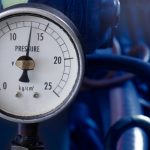
Pressure gauges play an important role in keeping hydraulic equipment, compressed air systems, and industrial machinery operating safely and efficiently. But choosing the wrong type of gauge can lead to inaccurate readings, premature wear, and unnecessary maintenance. For businesses in San Jose, where manufacturing facilities, machine shops, and industrial operations rely on dependable pressure monitoring, understanding the difference between liquid-filled and dry pressure gauges can help prevent costly equipment problems. Quick Answer: Liquid-filled pressure gauges are generally better for systems exposed to vibration, pulsation, or frequent pressure fluctuations. Dry pressure gauges are often the more economical choice for stable-pressure applications... View Article
Hydraulic fittings are essential for keeping industrial machinery, construction equipment, and hydraulic systems operating safely and efficiently. In San Jose, CA, exposure to moisture, temperature changes, industrial contaminants, and outdoor conditions can gradually cause corrosion that weakens these connections. For businesses that depend on reliable hydraulic equipment, preventing corrosion helps reduce leaks, unexpected repairs, and costly downtime. Quick Answer: To prevent corrosion on hydraulic fittings, choose materials suited to the operating environment, keep connections clean and dry, use compatible protective coatings, and inspect fittings regularly for rust, discoloration, or leaks. Proper installation, material compatibility, and moisture control are equally important.... View Article
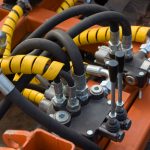
A hydraulic system can operate under demanding pressure, vibration, and temperature conditions, which makes every connection important. For industrial facilities, equipment operators, repair shops, and maintenance teams in San Jose, choosing a fitting that simply looks like it will fit can lead to leaks, premature component wear, unplanned downtime, and potentially serious system damage. Quick answer: Improper fitting selection can damage a hydraulic system when the fitting has the wrong thread type, pressure rating, material, size, sealing method, or compatibility with the hydraulic fluid and surrounding components. A mismatched fitting may initially appear secure but can leak, loosen, restrict flow,... View Article