





How Hydraulic Hose Assemblies Support Productivity in Industrial Operations
Hydraulic systems are the backbone of modern industrial operations, powering machinery that ranges from construction equipment to manufacturing facilities. At the heart of these systems lies a critical component that often goes unnoticed: hydraulic hose assemblies. These specialized conduits are far more than simple tubes; they are engineered systems that directly impact operational efficiency, safety, and profitability.
Understanding how hydraulic hose assemblies function and contribute to workplace productivity reveals why industries worldwide invest heavily in quality hose systems and proper maintenance protocols.
The Foundation of Reliable Hydraulic Systems
Hydraulic hose assemblies form the circulatory system of industrial hydraulic operations. They transport pressurized fluid from the pump to actuators, motors, and control valves that drive machinery. Without reliable hydraulic hose assemblies, even the most sophisticated hydraulic equipment cannot function effectively. The quality and design of these assemblies directly influence how well a hydraulic system performs under demanding conditions.
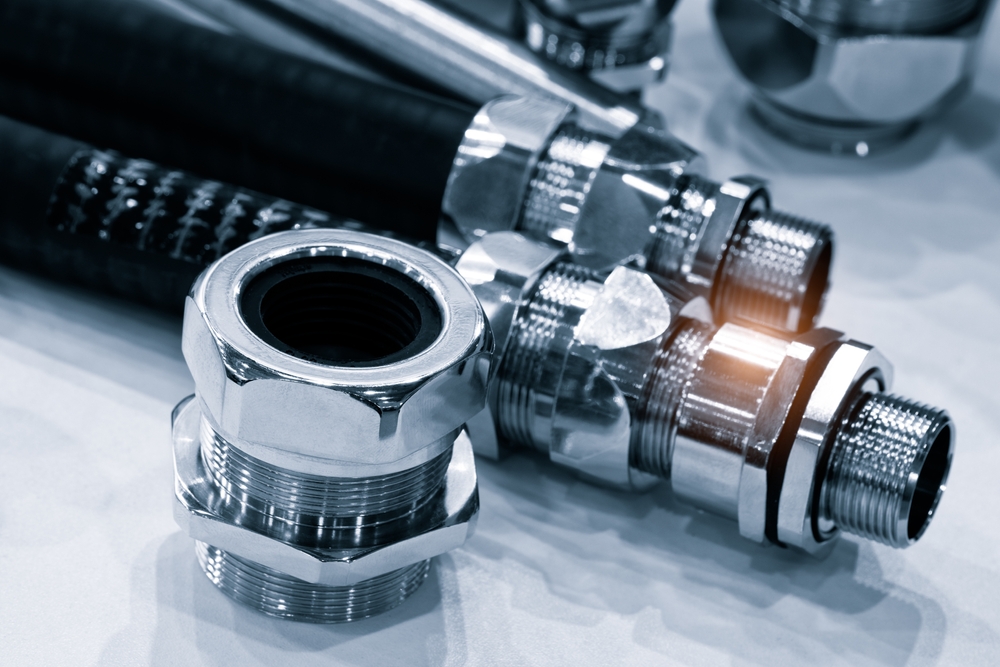
Modern hydraulic hose assemblies consist of multiple layers, each serving a specific purpose. The inner tube carries the pressurized hydraulic fluid. The reinforcement layer, typically made of steel wire or synthetic fibers, provides strength to withstand high pressures. The cover layer protects the entire assembly from environmental damage, abrasion, and chemical exposure. This layered construction ensures that hydraulic hose assemblies can handle the extreme conditions found in industrial settings while maintaining consistent performance throughout their service life.
The engineering behind hydraulic hose performance reflects decades of innovation and refinement. Modern assemblies are designed to minimize fluid friction, reduce heat buildup, and maintain structural integrity under pressure spikes. When manufacturers produce hydraulic hose assemblies with precision and quality materials, operators experience fewer failures, reduced downtime, and more predictable equipment behavior. This reliability translates directly into increased productivity and reduced operational costs.
Enhancing Operational Efficiency Through Proper Hose Selection
Selecting the correct hydraulic hose assemblies for specific applications is crucial for maximizing productivity. Different industrial operations require hoses with different pressure ratings, temperature tolerances, and chemical resistances. A construction company operating excavators needs different hydraulic hose assemblies than a manufacturing facility using precision injection molding equipment. Understanding these distinctions prevents mismatches that can lead to premature failure and unexpected downtime.
Proper hydraulic hose performance depends significantly on matching the hose specification to the application. High-pressure applications require hoses with greater reinforcement and thicker walls. Mobile equipment exposed to temperature fluctuations needs assemblies designed for thermal expansion and contraction. Chemical processing facilities require hoses with superior resistance to corrosive substances. When operators select hydraulic hose assemblies correctly from the outset, they establish a foundation for consistent, reliable operation that supports sustained productivity gains.
Industrial operations benefit tremendously from consulting with hydraulic specialists during equipment design and procurement phases. These experts assess pressure requirements, environmental conditions, and operational patterns to recommend hydraulic hose assemblies that will deliver optimal performance. This proactive approach prevents costly mistakes and ensures that equipment operates at peak efficiency. Companies that prioritize proper hose selection often experience longer equipment life, fewer emergency repairs, and higher overall production output compared to those using generic or mismatched hoses.
Preventive Maintenance and Hydraulic Hose Longevity
The productivity advantage of hydraulic hose assemblies extends far beyond their initial installation. A comprehensive maintenance program focused on hydraulic hose performance can extend equipment life by years and prevent catastrophic failures that disrupt operations. Regular inspection of hydraulic hose assemblies allows maintenance teams to identify wear, abrasion, leaks, and other signs of degradation before they become critical problems.
Preventive maintenance of hydraulic hose assemblies involves routine visual inspections, pressure testing, and fluid analysis. These activities reveal whether hoses are operating within designed parameters or showing signs of stress. Early detection of problems allows for planned replacement during scheduled downtime rather than emergency repairs that halt production unexpectedly. The cost of regular maintenance on hydraulic hose assemblies is minimal compared to the expense of unplanned equipment shutdowns that can cost thousands of dollars per hour in lost productivity.
Environmental factors significantly impact hydraulic hose performance and longevity. Exposure to ultraviolet light, extreme temperatures, and mechanical abrasion accelerates hose degradation. Industrial facilities that protect hydraulic hose assemblies with appropriate coverings, routing that minimizes contact with sharp edges, and climate control measures see substantially longer service intervals. This attention to environmental protection represents a modest investment that yields significant returns through extended equipment availability and reduced maintenance expenses.
Establishing a replacement schedule based on manufacturer recommendations and actual performance data ensures that hydraulic hose assemblies never become reliability weak points. Some facilities implement a proactive replacement policy where hoses are replaced at predetermined intervals regardless of visible wear. While this approach may seem wasteful, it virtually eliminates hose-related failures and represents excellent insurance against catastrophic downtime. For critical production lines, the certainty of continuous operation justifies the cost of preventive hose replacement.
Minimizing Downtime Through Rapid Hose Assembly Solutions
Industrial productivity depends on minimizing unplanned downtime, and hydraulic hose assemblies play a major role in achieving this objective. When hoses fail, production stops until replacement parts arrive and technicians complete repairs. Leading industrial suppliers now offer rapid response services for hydraulic hose assemblies, including same-day fabrication and emergency delivery options. This evolution in supply chain management means that even when hose failures occur, their impact on overall productivity can be minimized.
Many forward-thinking industrial facilities maintain inventories of common hydraulic hose assemblies and the equipment needed for on-site repairs. Having spare hoses of various sizes, pressures, and configurations allows maintenance teams to perform rapid replacements without waiting for external suppliers. This capability transforms what could be a day-long shutdown into a brief interruption. The cost of maintaining a modest hose inventory is negligible compared to the value of preventing production losses.
Modern manufacturing facilities also benefit from predictive maintenance technologies that monitor hydraulic hose performance continuously. Sensors embedded in critical hose assemblies can detect pressure anomalies, temperature spikes, and flow rate variations that indicate emerging problems. These early warning systems allow maintenance teams to replace hoses before failures occur, virtually eliminating unexpected downtime caused by hose ruptures or severe leaks. This technology represents the frontier of hydraulic system reliability and exemplifies how innovation in hydraulic hose assemblies directly translates to productivity improvements.
Integration with Modern Industrial Systems
Contemporary industrial operations increasingly rely on integrated hydraulic systems where hydraulic hose assemblies work seamlessly with electronic controls, sensors, and automated monitoring. This integration enables operators to optimize hydraulic performance in real-time, adjusting pressure, flow rates, and system parameters based on actual operational conditions. Hydraulic hose assemblies that support these advanced systems must meet stringent specifications for consistency and reliability.
The relationship between hydraulic hose assemblies and overall system efficiency creates opportunities for substantial productivity gains. High-performance hoses that minimize energy losses through friction and heat generation directly reduce operating costs. Some modern hydraulic hose assemblies incorporate specialized coatings or internal surface treatments that reduce fluid friction by up to fifteen percent compared to standard hoses. When multiplied across industrial operations running continuously, these efficiency gains represent meaningful reductions in energy consumption and operational expenses.
Quality hydraulic hose assemblies also enable tighter process control in manufacturing applications. Consistent hose performance reduces variability in equipment response times, which translates to more consistent product quality and higher production speeds. Industries ranging from automotive manufacturing to food processing recognize that reliable hydraulic hose performance supports their ability to meet demanding quality standards while maintaining competitive productivity levels.
Conclusion
Hydraulic hose assemblies represent an essential foundation for productive industrial operations. From initial selection through preventive maintenance to integration with modern control systems, these components significantly influence whether industrial facilities achieve their efficiency and profitability goals. Investing in quality hydraulic hose assemblies, maintaining them properly, and replacing them proactively ensures that hydraulic systems operate reliably and support sustained productivity improvements throughout industrial operations.
Royal Brass Incorporated
Welcome Royal Brass Incorporated! We are your 3rd generation, family-owned, local hose supplier! Our family has dedicated our services to supplying northern California with all types of hoses, fittings, flanges, regulators, valves, adapters, and gauges. We pride ourselves on having the most extensive inventory in northern California. Our inventory ensures that we can fix most products on site, the same day. Here at Royal Brass Incorporated, we only hire qualified individuals who are trained in factory sales. Our fully stocked warehouses ensure that we can fill your hydraulic and pneumatic hose, tubing, and fitting needs on time, every time. High-quality customer service is our goal and has been since 1952. Stop by or contact us today!
Categorised in: Hydraulic Hose, Hydraulic Systems