




How to Match Hose Size, Pressure Rating, and Fittings Correctly
Hydraulic systems depend on precise component matching to function safely and efficiently. One of the most critical aspects of hydraulic system assembly and maintenance involves selecting the correct hose size, pressure rating, and fittings. When these elements are mismatched, you risk system failure, fluid leaks, equipment damage, and potentially dangerous situations. Understanding how to properly match these components ensures your hydraulic systems operate at peak performance while maintaining the safety standards your equipment demands.
Hydraulic Hose Sizes and Their Importance
Hydraulic hose sizes are measured by their inside diameter, expressed in fractional inches or metric measurements. Common hose sizes range from 1/4 inch up to 2 inches in diameter, though specialized applications may require larger sizes. The inside diameter directly affects the flow rate of hydraulic fluid through the hose. Selecting the correct size is essential because it determines how much fluid can pass through at a given pressure without excessive heat generation or pressure drops that would reduce system efficiency.
When sizing your hydraulic hose, you must consider the flow rate requirements of your specific application. A hose that is too small for your system’s flow rate will create backpressure, causing the fluid to heat up and potentially damage seals and other components. Conversely, a hose that is excessively large adds unnecessary weight and volume to your system, reduces system responsiveness, and wastes space in your equipment. Most hydraulic engineers recommend selecting a hose size that keeps fluid velocity between 10 and 20 feet per second in pressure lines and 2 to 4 feet per second in return lines. This standard ensures optimal performance while minimizing heat generation and pressure loss.
The hydraulic hose compatibility between your hose and other system components depends first on getting the size right. Standard hose sizes follow industry specifications, making it relatively straightforward to match hoses with compatible fittings and connection points. However, you must verify that your hose supplier provides accurate measurements and that your installation team understands these sizing conventions before assembly begins.
Pressure Ratings: Matching Your Hose to System Requirements
Pressure rating represents the maximum pressure that a hydraulic hose can safely handle without rupturing or leaking. This specification is expressed in pounds per square inch (PSI) and is determined by the hose’s construction, including the inner tube material, reinforcement layers, and outer cover. Different hose grades are designed for different pressure ranges, and selecting the wrong pressure rating is dangerous and inefficient.
Hoses are typically categorized into pressure classes such as SAE 100R1, SAE 100R2, SAE 100R4, SAE 100R7, and others, each designed to handle specific pressure ranges and environmental conditions. SAE 100R1 hoses handle moderate pressures up to about 3500 PSI, while SAE 100R2 hoses can withstand pressures up to 5000 PSI. For higher-pressure applications, SAE 100R4 hoses rated for 5000 PSI or SAE 100R7 hoses designed for extreme pressure applications up to 5000 PSI or higher are necessary. Understanding these classifications helps ensure you select hydraulic hose specifications that match your system’s actual operating pressures.
A critical rule in hydraulic system design is that your hose’s pressure rating should never be lower than your system’s maximum operating pressure. Most professionals recommend selecting a hose with a pressure rating at least 25 to 33 percent higher than your system’s maximum operating pressure. This safety factor accounts for pressure spikes that occur during normal operation, provides a margin for aging and wear, and ensures the system can handle unexpected pressure surges without failure. Installing a hose with an insufficient pressure rating is a serious safety hazard that can lead to sudden rupture and fluid spray.
Temperature considerations also affect pressure ratings. High-temperature environments may require hoses with special inner tube materials and outer covers that maintain their integrity when exposed to heat. Some hoses are rated for temperature ranges from -40 degrees Fahrenheit to 212 degrees Fahrenheit, while others handle even more extreme conditions. Always verify that your selected hose’s pressure rating applies to your specific operating temperature range.
Fitting Types and Compatibility Considerations
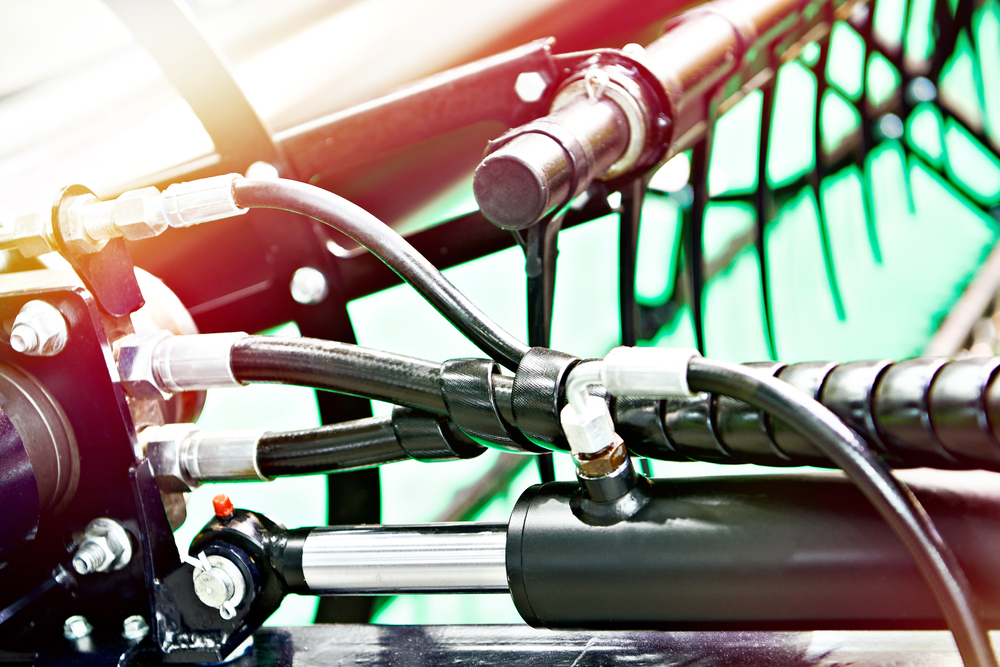
Hydraulic fittings are the connection points where your hose links to pumps, cylinders, valves, and other components. Fittings must match your hose size precisely and must be compatible with both the hose construction and the ports on your equipment. The most common fitting types include NPT (National Pipe Thread), SAE flange, ISO ports, and JIC (Joint Industry Council) threads. Each fitting type has specific specifications regarding thread pitch, cone angle, and connection method.
NPT fittings use tapered threads that create a seal through thread compression. These fittings are popular in many applications because they accommodate slight variations in assembly. SAE flange fittings use a flat face design with a circular flange that bolts to matching flanges on your equipment. ISO ports provide a standardized connection method recognized internationally. JIC fittings use a 37-degree cone angle and feature a metal-to-metal seal.
Mismatched fittings represent one of the most common causes of hydraulic system leaks. Installing an NPT fitting into an SAE port, or vice versa, will not produce a reliable seal and will result in leaks even at moderate pressures. Before purchasing hoses and fittings, you must verify the exact fitting type required at every connection point on your equipment. Consult your equipment’s technical documentation and work with suppliers who can confirm compatibility before assembly.
Calculating Hose Requirements for Your System
Proper sizing requires understanding your system’s flow rate, operating pressure, and hose routing. Start by determining your pump’s flow rate in gallons per minute (GPM). This number should be provided in your equipment’s specifications. Once you know the flow rate, you can calculate the appropriate hose size using standard industry tables or formulas that relate GPM to hose inside diameter while maintaining velocity within recommended ranges.
Next, identify your system’s maximum operating pressure. This information is typically found in your equipment manual or on the pump’s nameplate. Some systems operate at 2000 PSI, while others reach 4000 PSI or higher. Agricultural equipment might operate at lower pressures, while construction equipment and industrial presses often require high-pressure hoses. Document this pressure rating carefully, as it directly influences which hose grades you can safely use.
Finally, plan your hose routing to ensure it doesn’t create excessive length that adds fluid volume to your system unnecessarily. Shorter hoses reduce fluid volume, improve response time, and minimize pressure drop. However, avoid routing hoses in ways that create sharp bends or subject them to abrasion against equipment surfaces. Plan your installation so hoses can be protected with sleeves or conduit where necessary.
Installation Best Practices and Verification Methods
Before installing your hydraulic hoses, verify one final time that hose sizes, pressure ratings, and fitting types all match your system requirements and equipment specifications. Install fittings carefully, following the torque specifications provided by the fitting manufacturer. Under-tightening can cause leaks, while over-tightening can damage the fitting or hose.
After installation, run your system at low pressure first, checking for any leaks around the new hose connections. Gradually increase pressure to operating levels while monitoring for problems. Many hydraulic technicians recommend performing a pressure test at 1.5 times your normal operating pressure to verify that your installation can handle pressure spikes safely.
Conclusion
Matching hydraulic hose size, pressure rating, and fittings correctly requires careful attention to your system’s specifications and strict adherence to industry standards. By understanding how these three elements work together and taking time to verify compatibility before installation, you ensure your hydraulic systems operate safely and efficiently for years to come.
Royal Brass Incorporated
Welcome Royal Brass Incorporated! We are your 3rd generation, family-owned, local hose supplier! Our family has dedicated our services to supplying northern California with all types of hoses, fittings, flanges, regulators, valves, adapters, and gauges. We pride ourselves on having the most extensive inventory in northern California. Our inventory ensures that we can fix most products on site, the same day. Here at Royal Brass Incorporated, we only hire qualified individuals who are trained in factory sales. Our fully stocked warehouses ensure that we can fill your hydraulic and pneumatic hose, tubing, and fitting needs on time, every time. High-quality customer service is our goal and has been since 1952. Stop by or contact us today!
Categorised in: Hydraulic Hose, Hydraulic Systems