




Hydraulic Pressure Regulators vs. Relief Valves: What’s the Difference?
Hydraulic systems power everything from excavators and agricultural equipment to fleet vehicles and industrial machinery across Northern California. When hydraulic pressure problems occur, understanding whether a pressure regulator or a relief valve is responsible can help maintenance professionals troubleshoot issues faster, reduce downtime, and protect expensive equipment.
Quick Answer
The difference between a hydraulic pressure regulator and a relief valve comes down to their purpose. A hydraulic pressure regulator maintains a consistent downstream pressure during normal operation, while a relief valve acts as a safety device that opens only when pressure exceeds a preset limit. Both components are essential, but they solve different hydraulic pressure problems and should never be considered interchangeable.
What Maintenance Professionals Should Know
- A hydraulic pressure regulator continuously controls operating pressure to keep equipment performing consistently.
- A relief valve protects pumps, hoses, cylinders, and other hydraulic components from dangerous overpressure conditions.
- Using the wrong valve can lead to poor equipment performance, excessive wear, or costly hydraulic failures.
- Construction, agriculture, manufacturing, and fleet operations throughout Northern California rely on both devices to keep hydraulic systems operating safely.
- Correct diagnosis saves time by addressing the actual cause of hydraulic pressure problems instead of replacing the wrong component.
Why This Matters in Northern California
Hydraulic equipment throughout Sacramento, Stockton, Chico, Redding, Fairfield, and the surrounding Northern California region often operates in demanding environments. Construction sites generate dust and debris, agricultural operations work through long harvest seasons, and fleet equipment experiences continuous use. These operating conditions place constant demands on hydraulic systems.
Royal Brass Inc. has supplied hydraulic hoses, fittings, valves, regulators, gauges, adapters, and related hydraulic products throughout Northern California since 1952. As a third-generation, family-owned business, we understand how choosing the correct hydraulic components helps reduce downtime and keep equipment working reliably. Our extensive inventory allows us to help customers find the parts they need quickly, often with same-day service.
Hydraulic Pressure Regulators Maintain Controlled Operating Pressure
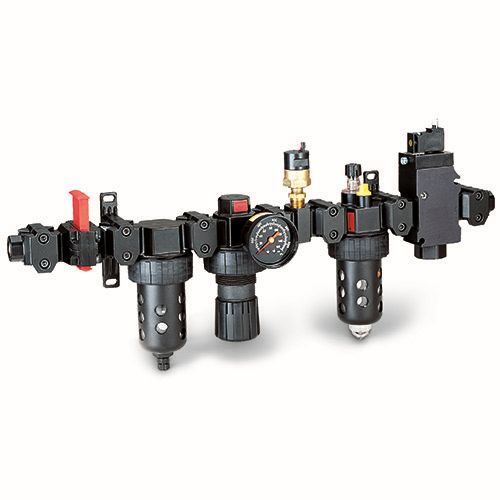
A hydraulic pressure regulator continuously adjusts flow to maintain a desired downstream pressure. Unlike a relief valve, it works during normal system operation rather than only during abnormal pressure events.
Pressure regulators help:
- Maintain consistent actuator speed
- Protect sensitive hydraulic circuits
- Improve equipment precision
- Reduce pressure fluctuations
- Extend component life
For equipment that requires steady operating pressure, a regulator ensures hydraulic pressure remains within the desired range even as system demands change.
Common Applications for Pressure Regulators
Pressure regulators are frequently used on:
- Agricultural sprayers
- Hydraulic presses
- Material handling equipment
- Industrial machinery
- Specialized construction equipment
- Pneumatic and hydraulic control systems
Relief Valves Protect Hydraulic Systems from Excessive Pressure
A hydraulic relief valve protects the system by releasing hydraulic fluid when pressure exceeds a preset limit. Its primary job is safety, not pressure control during everyday operation.
Without a properly functioning relief valve, excessive pressure can damage:
- Hydraulic pumps
- Cylinders
- Hoses
- Valves
- Seals
- Hydraulic fittings
Once system pressure falls below the valve’s setting, the relief valve closes automatically.
Hydraulic Pressure Regulator vs Relief Valve: Side-by-Side Comparison
| Feature | Hydraulic Pressure Regulator | Hydraulic Relief Valve |
|---|---|---|
| Primary Purpose | Maintains consistent operating pressure | Prevents dangerous overpressure |
| Normal Operation | Operates continuously | Remains closed unless pressure becomes excessive |
| Function | Controls downstream pressure | Releases excess pressure |
| Main Benefit | Improves performance and precision | Protects equipment from damage |
| Typical Use | Pressure control circuits | System safety protection |
Although both devices deal with pressure, they perform completely different jobs within a hydraulic system.
Common Hydraulic Pressure Problems
Hydraulic pressure problems often develop gradually before causing equipment failure. Recognizing early symptoms can prevent more expensive repairs later.
Common warning signs include:
- Inconsistent hydraulic performance
- Slow cylinder movement
- Unexpected pressure spikes
- Excessive heat generation
- Frequent hose failures
- Unusual pump noise
- Pressure gauge fluctuations
- Components operating inconsistently
These symptoms do not automatically indicate a failed regulator or relief valve. Hydraulic pressure problems may involve multiple components that require systematic troubleshooting.
Common Causes of Hydraulic Pressure Problems
Several issues can affect hydraulic pressure throughout a system.
Incorrect Valve Settings
Improper pressure adjustments may cause poor equipment performance or frequent relief valve activation.
Contaminated Hydraulic Fluid
Dirty hydraulic fluid can damage internal valve components, causing sticking or inaccurate pressure control.
Worn Components
Normal wear eventually affects springs, seals, and valve seats, reducing pressure control accuracy.
Blocked Hydraulic Lines
Restrictions within hoses or fittings may create unexpected pressure increases or pressure loss.
Pump Wear
A worn hydraulic pump may not produce sufficient flow or pressure, creating symptoms that resemble valve failure.
When to Call a Hydraulic Professional
Some hydraulic system inspections can be performed during routine maintenance, but pressure testing, valve diagnosis, and system calibration require specialized equipment and experience.
Professional assistance is recommended if you experience:
- Repeated pressure-related shutdowns
- Multiple hydraulic component failures
- Persistent pressure fluctuations
- Frequent relief valve activation
- Difficulty identifying the source of hydraulic pressure problems
Proper testing helps identify the root cause instead of replacing parts through trial and error.
Preventing Hydraulic Pressure Problems
Preventive maintenance is one of the most effective ways to extend hydraulic system life.
Recommended practices include:
- Replace hydraulic filters on schedule.
- Monitor hydraulic fluid condition.
- Inspect hoses and fittings for wear.
- Verify pressure settings during routine maintenance.
- Replace worn valves before complete failure.
- Keep hydraulic systems clean during repairs.
Routine inspections often identify developing issues before they become major equipment failures.
Common Mistakes to Avoid
Mistake: Assuming Every Pressure Issue Is a Relief Valve Problem
Consequence: Replacing the wrong component wastes time and money.
Better Approach: Test system pressure and inspect the entire hydraulic circuit before replacing parts.
Mistake: Adjusting Pressure Settings Without Specifications
Consequence: Incorrect settings may reduce performance or damage equipment.
Better Approach: Always follow manufacturer specifications for pressure adjustments.
Mistake: Ignoring Minor Pressure Fluctuations
Consequence: Small pressure issues can become significant hydraulic failures.
Better Approach: Investigate pressure changes early during routine maintenance.
Common Northern California Equipment Scenario
A fleet maintenance technician notices that a hydraulic loader occasionally loses lifting power while also experiencing brief pressure spikes. Initial suspicion falls on the relief valve, but pressure testing reveals the pressure regulator is no longer maintaining consistent downstream pressure. Replacing the regulator restores smooth operation while confirming the relief valve continues to provide proper overpressure protection.
Situations like this demonstrate why understanding the difference between these two components is essential for accurate troubleshooting.
Related Hydraulic Solutions
Pressure regulators and relief valves are only part of a complete hydraulic system. Other components that commonly work together include:
- Hydraulic hoses
- Hydraulic fittings
- Flanges
- Adapters
- Gauges
- Quick-connect couplings
- Pneumatic tubing
- Pressure monitoring equipment
Selecting compatible, high-quality components helps improve system reliability and reduce downtime.
Cost of Ignoring Hydraulic Pressure Problems
Ignoring hydraulic pressure problems can lead to:
- Premature pump failure
- Damaged cylinders
- Burst hoses
- Increased equipment downtime
- Higher repair costs
- Reduced productivity
Addressing pressure issues early often prevents more extensive hydraulic system repairs.
Frequently Asked Questions
What is the main difference between a hydraulic pressure regulator and a relief valve?
A hydraulic pressure regulator maintains a controlled operating pressure during normal system operation. A relief valve remains closed until pressure exceeds its preset limit, then opens to protect the hydraulic system from damage.
Can a pressure regulator replace a relief valve?
No. Each component performs a different function. A pressure regulator controls operating pressure, while a relief valve provides critical overpressure protection.
What causes hydraulic pressure problems most often?
Common causes include contaminated hydraulic fluid, worn pumps, incorrect valve settings, blocked hydraulic lines, worn seals, and damaged pressure control components.
How do I know if my relief valve is failing?
Frequent pressure spikes, repeated system shutdowns, excessive heat, or visible pressure readings above normal operating levels may indicate a relief valve requires inspection.
Should hydraulic pressure regulators be adjusted regularly?
Pressure settings should only be adjusted according to equipment manufacturer specifications. Unnecessary adjustments may create additional hydraulic pressure problems.
Where can Northern California businesses find hydraulic pressure control components?
Businesses throughout Northern California can source hydraulic regulators, relief valves, hoses, fittings, gauges, adapters, and related hydraulic components from suppliers with extensive inventory and knowledgeable factory-trained staff.
Keep Your Hydraulic System Operating Reliably
Understanding the difference between a hydraulic pressure regulator and a relief valve helps maintenance technicians, fleet managers, and equipment operators diagnose hydraulic pressure problems more accurately. Choosing the correct component improves equipment reliability, protects valuable hydraulic systems, and reduces unnecessary downtime.
Need Hydraulic Components You Can Count On?
Whether you’re troubleshooting hydraulic pressure problems or replacing worn pressure control components, we’re here to help. Our experienced team and extensive Northern California inventory make it easier to find the right hydraulic hoses, fittings, regulators, valves, gauges, and adapters for your equipment.
Categorised in: Pressure Regulators, Valves